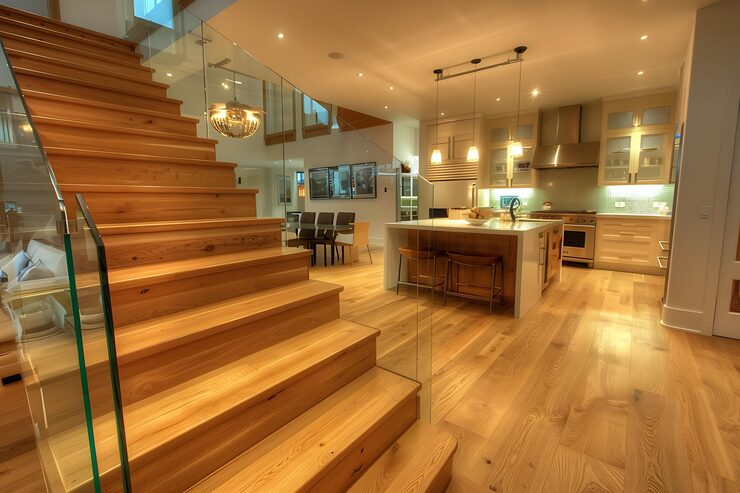
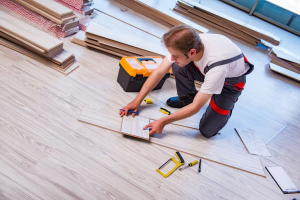
Engineered timber flooring is a modern hardwood flooring solution designed to combine the natural beauty of real wood with improved structural stability. It consists of a genuine hardwood top layer bonded to multiple layers of plywood or high-density core material, creating a floor that looks like solid timber but performs better in changing temperatures and humidity.
As a floor installer with more than a decade of hands-on experience at Your Floor Installer, I’ve installed engineered timber flooring in homes, apartments, commercial spaces, and renovation projects across different environments. I
If you’re planning to upgrade your home flooring, understanding engineered timber is essential. This guide explains how Engineered timber flooring works, the benefits of Engineered timber flooring, installation methods, maintenance requirements, costs, and how to choose the right option for your home.
What Is Engineered Timber Flooring?
Engineered timber flooring is a multi-layer wood flooring system that combines a genuine hardwood top layer with a strong core structure made from plywood or high-density fiberboard.
The goal is simple:
Deliver the appearance of solid hardwood flooring with better structural stability.
Unlike traditional timber flooring, which expands and contracts significantly with changes in humidity, engineered timber flooring is designed to remain more stable across different environments.
Benefits of Timber Flooring in Victoria
Timber flooring is highly sought after in Victoria for its durability, elegance, and long-term value. Whether you’re renovating a home in Melbourne or installing flooring in regional areas, timber adds warmth and style to any space. Below are the key benefits:
Timber floors provide natural beauty and visible grain patterns, enhancing the aesthetic appeal of any interior.
High-quality timber flooring can last for decades with proper installation and maintenance, making it a reliable flooring solution.
-
Improved Indoor Air Quality
Unlike carpets, timber does not trap dust, allergens, or mold, contributing to a healthier living environment in Victorian homes.
Available in a wide range of species, finishes, and plank sizes, timber flooring complements both modern and classic interior designs.
Timber flooring adds prestige, sophistication, and resale value to homes across Melbourne, Geelong, and surrounding Victoria.
Basic Structure of Engineered Timber Flooring
Engineered timber flooring is designed with a multi-layer construction that improves strength, durability, and stability compared to traditional solid wood flooring. Most engineered timber flooring planks consist of three primary layers:
1. Wear Layer (Top Layer)
The wear layer is the visible surface of the flooring, made from genuine hardwood such as oak, walnut, maple, or other premium timber species. This layer provides the authentic appearance, grain pattern, and texture of natural wood. Depending on its thickness, the wear layer can also allow the floor to be lightly sanded and refinished over time.
2. Core Layer
The core layer sits beneath the hardwood surface and is typically constructed from multiple cross-bonded plywood sheets or high-density fibreboard (HDF). These layers are arranged in alternating directions to improve structural integrity, making the flooring more resistant to expansion, contraction, and environmental changes.
3. Backing Layer
The backing layer forms the base of the plank and adds additional stability to the entire structure. It helps balance the flooring system, preventing bending, warping, or movement over time.
Together, these layers create a dimensionally stable flooring system that maintains the natural beauty of hardwood while offering improved durability and performance in modern homes.
Why Engineered Timber Flooring Has Become So Popular?
Over the last decade, engineered timber flooring has become one of the fastest-growing flooring options in modern homes. Homeowners want the warmth and elegance of hardwood flooring, but they also need flooring that performs well in modern construction environments. Key reasons include:
- Real hardwood appearance
- Better resistance to humidity and temperature changes
- Suitable for concrete subfloors
- Compatible with underfloor heating systems
- Faster and easier installation
- Lower risk of warping or expansion
For renovation projects and new builds alike, engineered flooring offers a practical balance between aesthetics, durability, and cost efficiency.
How Engineered Timber Flooring Is Manufactured?
Below is a step-by-step breakdown of how engineered timber flooring is made.
Step 1: Hardwood Selection
The manufacturing process begins with selecting high-quality hardwood species for the top wear layer. This layer determines the floor’s appearance, texture, and overall visual appeal.Manufacturers typically choose hardwoods that offer both durability and attractive grain patterns.
Common hardwood species used include:
- Oak
- Walnut
- Maple
- Ash
- Spotted Gum or other premium hardwoods
These woods are carefully inspected for grain consistency, colour tone, and strength, ensuring that the final flooring product maintains a natural and premium finish.
Step 2: Veneer Cutting
Once the hardwood is selected, it is processed into thin veneer layers that will become the visible surface of the engineered flooring. Specialized cutting methods are used to preserve the wood’s natural grain pattern and texture.
The most common cutting techniques include:
- Rotary peeling
- Sawn cutting
- Sliced veneer cutting
Each method produces slightly different grain patterns and aesthetics. Sawn veneers are often considered the most premium option because they closely replicate the look of traditional solid hardwood flooring.
Step 3: Core Construction
After the veneer layer is prepared, manufacturers build the core structure of the plank, which provides strength and dimensional stability. The core typically consists of several layers of plywood or high-density fiberboard (HDF). These layers are placed in alternating directions, a technique known as cross-layering.
Key features of the core layer include:
- Cross-bonded plywood construction
- Increased resistance to expansion and contraction
- Improved structural stability
- Enhanced durability in varying humidity conditions
This layered core design is what allows engineered timber flooring to perform better than solid wood in many modern environments.
Step 4: Bonding Process
Once the hardwood veneer and core layers are prepared, they are bonded together using advanced manufacturing techniques. High pressure, heat, and industrial-grade adhesives are applied to permanently fuse the layers into a single plank.
This bonding process ensures:
- strong adhesion between layers
- improved structural strength
- long-term durability
- resistance to warping and movement
The bonding stage is crucial because it determines the overall integrity and lifespan of the flooring product.
Step 5: Surface Finishing
The final stage involves applying protective finishes to the hardwood surface. These finishes enhance durability while protecting the wood from everyday wear and tear.
Manufacturers typically apply multiple layers of protective coating.
Common finish types include:
- UV-cured lacquer
- Natural oil finishes
- Polyurethane coatings
- Matte protective finishes
These coatings provide several benefits:
- improved scratch resistance
- enhanced stain protection
- easier maintenance
- longer floor lifespan
After completing all these stages, the result is a stable, durable, and visually stunning flooring product that retains the natural beauty of real hardwood.
Types of Engineered Timber Flooring
Understanding the different types of engineered timber flooring can help homeowners and renovators choose a product that delivers the best balance of stability, longevity, and visual appeal.
-
Plywood Core Engineered Flooring
Plywood core engineered flooring is widely regarded as one of the highest-quality engineered timber flooring constructions. In this design, multiple layers of plywood are stacked and bonded together in alternating directions. This cross-layered structure significantly improves the plank’s ability to resist expansion, contraction, and moisture-related movement.
Because of its strength and stability, plywood core flooring is commonly used in both residential and commercial spaces.
Key features include:
- Multiple cross-layered plywood sheets for structural strength
- Excellent dimensional stability in changing temperature and humidity conditions
- Strong resistance to warping or bending
- Long lifespan when properly installed and maintained
This type of engineered flooring is often recommended by professional installers because it performs consistently well in modern homes, apartments, and renovation projects.
-
HDF Core Engineered Flooring
HDF (High Density Fibreboard) core engineered flooring is another popular option, especially in click-lock floating floor systems. Instead of plywood layers, the core is made from compressed wood fibres that create a dense and stable base for the hardwood surface layer.
HDF core flooring is commonly used in budget-friendly engineered flooring products while still offering reliable performance.
Advantages include:
- More affordable compared to premium plywood core flooring
- Highly precise click-lock installation systems
- Good dimensional stability in controlled environments
- Smooth and consistent plank construction
Because of its affordability and ease of installation, HDF core engineered flooring is often chosen for home renovations, DIY flooring projects, and apartments.
-
Multi-Ply Engineered Flooring
Multi-ply engineered flooring is typically used in premium and high-end flooring products, particularly by European manufacturers known for advanced flooring technology.
In this construction method, several layers of hardwood or plywood are combined to create an extremely strong and stable flooring structure. The top hardwood layer is usually thicker, which allows the flooring to be refinished multiple times during its lifespan.
Benefits of multi-ply engineered flooring include:
- Exceptional structural strength and durability
- Thicker wear layers for extended lifespan
- Superior resistance to environmental changes
- High-end craftsmanship and premium finishing
Because of these characteristics, multi-ply engineered flooring is often selected for luxury homes, high-end interiors, and commercial design projects where long-term performance and aesthetics are equally important.
Popular Wood Species Used in Engineered Timber Flooring
Below is a comparison of the most popular wood species used in engineered timber flooring.
| Wood Species |
Description |
Key Features |
Best For |
| Oak Engineered Flooring |
Oak is the most widely used timber in engineered flooring due to its versatility and durability. It offers a classic hardwood appearance that works well in both modern and traditional interiors. |
- Strong durability
- Attractive and visible grain pattern
- Neutral colour tones that match many interiors
|
Homes seeking timeless, versatile flooring designs |
| Walnut Engineered Timber |
Walnut is known for its deep brown colour and luxurious aesthetic, making it a popular choice for high-end interior spaces. |
- Rich, dark colour tones
- Elegant and premium appearance
- Smooth, refined grain texture
|
Luxury homes and modern interior design |
| Maple Engineered Flooring |
Maple provides a light, smooth surface with subtle grain patterns. It is often selected for bright, minimalist spaces. |
- Light colour tones
- Smooth and consistent grain
- Clean, modern appearance
|
Contemporary homes and Scandinavian-style interiors |
| Australian Hardwood Species |
Native hardwoods are increasingly popular due to their unique character and durability. They add distinctive natural patterns to flooring designs. |
- Unique grain patterns
- Natural strength and durability
- Distinctive colour variations
|
Homes seeking natural and character-rich flooring |
Engineered Timber Flooring Finishes
The finish applied to engineered timber flooring plays a crucial role in both protecting the wood surface and enhancing its visual appearance. A high-quality finish not only improves durability but also determines the overall look, texture, and maintenance requirements of the floor. Different finishing options are designed to suit various interior styles, lifestyles, and performance needs.
Below are some of the most common finishes used in engineered timber flooring.
| Finish Type |
Description |
Benefits |
| UV Lacquer |
Factory-applied coating cured with UV light for a hard, protective surface. |
• Strong scratch resistance
• Low maintenance
• Long-lasting durability |
| Oil Finish |
Penetrates wood fibers to enhance natural grain and texture. |
• Natural timber appearance
• Highlights wood grain
• Easy spot repair |
| Matte Finish |
Reduces surface shine for a subtle, natural look. |
• Modern, natural aesthetic
• Reduced glare
• Complements contemporary interiors |
Installation Methods for Engineered Timber Flooring
One of the major advantages of engineered timber flooring is its installation flexibility. Depending on the subfloor, room type, and homeowner preference, engineered flooring can be installed using different methods, each with its own benefits. Here’s a detailed overview of the most common installation techniques.
1. Floating Floor Installation
Floating floor installation is the most popular method for engineered timber flooring. In this system, the planks are not fixed to the subfloor but instead are connected to each other using a click-lock mechanism over an underlay.
Advantages of Floating Installation:
- Faster and easier installation
- Lower labour costs
- Simple repairs and plank replacement
- Works well over concrete, plywood, and existing floors
Your Floor Installer is a top engineered timber flooring specialist for residential homes, renovations, and apartments where efficiency and flexibility are priorities.
2. Glue-Down Installation
Glue-down installation involves directly bonding the flooring planks to the subfloor using specialized adhesives. This method is commonly used in areas where enhanced stability and long-term durability are required.
Benefits of Glue-Down Installation:
- Stronger floor stability
- Reduced movement or plank shifting
- Quieter performance underfoot
- Suitable for high-traffic areas
Glue-down installation is often chosen for commercial spaces, offices, or premium residential projects where long-term performance is critical.
3. Nail-Down Installation
Nail-down installation is typically used when installing engineered timber flooring over plywood subfloors. Planks are secured with nails or staples, providing a traditional and durable flooring solution.
Common Use Cases:
- Traditional timber homes
- High-end residential projects
- Historical or heritage renovations
Advantages:
- Extremely stable and long-lasting
- Reduces the risk of movement over time
- Compatible with thicker engineered planks
Where Engineered Timber Flooring Works Best?
Engineered flooring is extremely versatile.
| Application |
Where It Works Best |
Examples |
| Residential Spaces |
Ideal for homes due to its stability and aesthetic appeal. |
• Living rooms
• Bedrooms
• Hallways
• Dining rooms
• Home offices |
| Commercial Spaces |
Suitable for light to medium commercial use with a natural, premium look. |
• Boutique retail stores
• Office interiors
• Hospitality venues
• Showrooms |
| Renovation Projects |
Perfect for installation over concrete or existing subfloors in renovations. |
• Apartment renovations
• Basement spaces
• Modern home builds |
Pros and Cons of Engineered Timber Flooring
Engineered timber flooring combines the natural beauty of hardwood with superior stability, making it ideal for modern homes, apartments, and renovations. Here’s a clear breakdown of its advantages and disadvantages:
Advantages
- Real Hardwood Appearance: Offers the authentic look, texture, and grain of solid timber.
- Improved Stability: Cross-layer construction minimizes expansion and contraction due to humidity or temperature changes.
- Easier Installation: Floating or click-lock systems reduce labour costs and installation time.
- Versatile Use: Suitable for residential, commercial, and renovation projects.
- Sustainable Choice: Uses less hardwood, making it an eco-friendly flooring option.
Disadvantages
- Limited Refinishing: Thin wear layers cannot be sanded multiple times.
- Quality Variation: Some products have weak cores or thin veneers, affecting durability.
- Not Fully Waterproof: Moisture-resistant but extra care needed in wet areas.
- Potential for Scratches: Softer woods or finishes may show wear faster in high-traffic areas.
- Higher Initial Cost: Premium engineered planks can be more expensive than laminate or vinyl alternatives.
How Long Does Engineered Timber Flooring Last?
The lifespan of engineered timber flooring depends on product quality, wear layer thickness, installation, and maintenance. High-quality planks with thicker hardwood layers can last decades, making them a durable and long-term flooring solution for homes and commercial spaces.
Typical Lifespan
- Standard engineered timber flooring lasts 20–30 years with proper care.
- Premium planks with thick wear layers can last 40 years or more.
- Regular cleaning and maintenance significantly extend the floor’s longevity.
- Avoiding excessive moisture prevents warping and damage over time.
- Periodic refinishing (where possible) can restore surface appearance and durability.
How Much Does Engineered Timber Flooring Cost in Victoria?
If you’re planning engineered timber flooring in Victoria (including Melbourne and regional areas), costs can vary widely depending on material quality, wood species, installation method, and extra services like underlay or subfloor preparation.
| Cost Component |
Price Range (AUD per m²) |
Notes |
| Budget to Mid‑Range Installed |
$125 – $230 |
Includes standard engineered timber boards and professional installation. |
| Premium Installed |
$230 – $350+ |
High-end boards, thick wear layers, custom patterns, or European species. |
| Material Only (Retail) |
$70 – $150+ |
Flooring boards purchased without installation. |
| Underlay & Subfloor Prep |
$5 – $40 |
Required for floating installations or uneven subfloors. |
| Labour / Installation Only |
$30 – $60 |
Depends on method (floating, glue-down, nail-down) and project complexity. |
Which Is the Best Engineered Timber Flooring Installer in Victoria?
If you’re searching for the best engineered timber flooring installers in Victoria, Your Floor Installer is widely recognized for its craftsmanship and reliability. Based in Clayton, VIC, the team has earned strong positive customer reviews and high satisfaction ratings across Melbourne and surrounding areas. Homeowners trust them for professional installation, premium materials, and attention to detail. Whether it’s engineered timber flooring for homes, apartments, or renovations, their experienced installers deliver consistent results.
Book your flooring consultation today:
Call us: 0452 289 496
Email: enquiries@yourfloorinstaller.com.au
Website: https://yourfloorinstaller.com.au/
Final Thoughts
Engineered timber flooring has transformed the modern flooring industry. It offers the natural elegance of hardwood with improved stability, installation flexibility, and long-term durability.
Whether you are renovating your home, designing a new interior, or upgrading outdated flooring, engineered timber flooring provides a reliable and stylish solution that suits modern lifestyles. With the right product selection and professional installation, engineered timber flooring can enhance your home’s comfort, value, and aesthetic appeal for many years to come.
Engineered timber flooring is a modern hardwood flooring solution designed to combine the natural beauty of real wood with improved structural stability. It consists of a genuine hardwood top layer bonded to multiple layers of plywood or high-density core material, creating a floor that looks like solid timber but performs better in changing temperatures and humidity.
As a floor installer with more than a decade of hands-on experience at Your Floor Installer, I’ve installed engineered timber flooring in homes, apartments, commercial spaces, and renovation projects across different environments. I
If you’re planning to upgrade your home flooring, understanding engineered timber is essential. This guide explains how Engineered timber flooring works, the benefits of Engineered timber flooring, installation methods, maintenance requirements, costs, and how to choose the right option for your home.
What Is Engineered Timber Flooring?
Engineered timber flooring is a multi-layer wood flooring system that combines a genuine hardwood top layer with a strong core structure made from plywood or high-density fiberboard.
The goal is simple:
Deliver the appearance of solid hardwood flooring with better structural stability.
Unlike traditional timber flooring, which expands and contracts significantly with changes in humidity, engineered timber flooring is designed to remain more stable across different environments.
Benefits of Timber Flooring in Victoria
Timber flooring is highly sought after in Victoria for its durability, elegance, and long-term value. Whether you’re renovating a home in Melbourne or installing flooring in regional areas, timber adds warmth and style to any space. Below are the key benefits:
Timber floors provide natural beauty and visible grain patterns, enhancing the aesthetic appeal of any interior.
High-quality timber flooring can last for decades with proper installation and maintenance, making it a reliable flooring solution.
-
Improved Indoor Air Quality
Unlike carpets, timber does not trap dust, allergens, or mold, contributing to a healthier living environment in Victorian homes.
Available in a wide range of species, finishes, and plank sizes, timber flooring complements both modern and classic interior designs.
Timber flooring adds prestige, sophistication, and resale value to homes across Melbourne, Geelong, and surrounding Victoria.
Basic Structure of Engineered Timber Flooring
Engineered timber flooring is designed with a multi-layer construction that improves strength, durability, and stability compared to traditional solid wood flooring. Most engineered timber flooring planks consist of three primary layers:
1. Wear Layer (Top Layer)
The wear layer is the visible surface of the flooring, made from genuine hardwood such as oak, walnut, maple, or other premium timber species. This layer provides the authentic appearance, grain pattern, and texture of natural wood. Depending on its thickness, the wear layer can also allow the floor to be lightly sanded and refinished over time.
2. Core Layer
The core layer sits beneath the hardwood surface and is typically constructed from multiple cross-bonded plywood sheets or high-density fibreboard (HDF). These layers are arranged in alternating directions to improve structural integrity, making the flooring more resistant to expansion, contraction, and environmental changes.
3. Backing Layer
The backing layer forms the base of the plank and adds additional stability to the entire structure. It helps balance the flooring system, preventing bending, warping, or movement over time.
Together, these layers create a dimensionally stable flooring system that maintains the natural beauty of hardwood while offering improved durability and performance in modern homes.
Why Engineered Timber Flooring Has Become So Popular?
Over the last decade, engineered timber flooring has become one of the fastest-growing flooring options in modern homes. Homeowners want the warmth and elegance of hardwood flooring, but they also need flooring that performs well in modern construction environments. Key reasons include:
- Real hardwood appearance
- Better resistance to humidity and temperature changes
- Suitable for concrete subfloors
- Compatible with underfloor heating systems
- Faster and easier installation
- Lower risk of warping or expansion
For renovation projects and new builds alike, engineered flooring offers a practical balance between aesthetics, durability, and cost efficiency.
How Engineered Timber Flooring Is Manufactured?
Below is a step-by-step breakdown of how engineered timber flooring is made.
Step 1: Hardwood Selection
The manufacturing process begins with selecting high-quality hardwood species for the top wear layer. This layer determines the floor’s appearance, texture, and overall visual appeal.Manufacturers typically choose hardwoods that offer both durability and attractive grain patterns.
Common hardwood species used include:
- Oak
- Walnut
- Maple
- Ash
- Spotted Gum or other premium hardwoods
These woods are carefully inspected for grain consistency, colour tone, and strength, ensuring that the final flooring product maintains a natural and premium finish.
Step 2: Veneer Cutting
Once the hardwood is selected, it is processed into thin veneer layers that will become the visible surface of the engineered flooring. Specialized cutting methods are used to preserve the wood’s natural grain pattern and texture.
The most common cutting techniques include:
- Rotary peeling
- Sawn cutting
- Sliced veneer cutting
Each method produces slightly different grain patterns and aesthetics. Sawn veneers are often considered the most premium option because they closely replicate the look of traditional solid hardwood flooring.
Step 3: Core Construction
After the veneer layer is prepared, manufacturers build the core structure of the plank, which provides strength and dimensional stability. The core typically consists of several layers of plywood or high-density fiberboard (HDF). These layers are placed in alternating directions, a technique known as cross-layering.
Key features of the core layer include:
- Cross-bonded plywood construction
- Increased resistance to expansion and contraction
- Improved structural stability
- Enhanced durability in varying humidity conditions
This layered core design is what allows engineered timber flooring to perform better than solid wood in many modern environments.
Step 4: Bonding Process
Once the hardwood veneer and core layers are prepared, they are bonded together using advanced manufacturing techniques. High pressure, heat, and industrial-grade adhesives are applied to permanently fuse the layers into a single plank.
This bonding process ensures:
- strong adhesion between layers
- improved structural strength
- long-term durability
- resistance to warping and movement
The bonding stage is crucial because it determines the overall integrity and lifespan of the flooring product.
Step 5: Surface Finishing
The final stage involves applying protective finishes to the hardwood surface. These finishes enhance durability while protecting the wood from everyday wear and tear.
Manufacturers typically apply multiple layers of protective coating.
Common finish types include:
- UV-cured lacquer
- Natural oil finishes
- Polyurethane coatings
- Matte protective finishes
These coatings provide several benefits:
- improved scratch resistance
- enhanced stain protection
- easier maintenance
- longer floor lifespan
After completing all these stages, the result is a stable, durable, and visually stunning flooring product that retains the natural beauty of real hardwood.
Types of Engineered Timber Flooring
Understanding the different types of engineered timber flooring can help homeowners and renovators choose a product that delivers the best balance of stability, longevity, and visual appeal.
-
Plywood Core Engineered Flooring
Plywood core engineered flooring is widely regarded as one of the highest-quality engineered timber flooring constructions. In this design, multiple layers of plywood are stacked and bonded together in alternating directions. This cross-layered structure significantly improves the plank’s ability to resist expansion, contraction, and moisture-related movement.
Because of its strength and stability, plywood core flooring is commonly used in both residential and commercial spaces.
Key features include:
- Multiple cross-layered plywood sheets for structural strength
- Excellent dimensional stability in changing temperature and humidity conditions
- Strong resistance to warping or bending
- Long lifespan when properly installed and maintained
This type of engineered flooring is often recommended by professional installers because it performs consistently well in modern homes, apartments, and renovation projects.
-
HDF Core Engineered Flooring
HDF (High Density Fibreboard) core engineered flooring is another popular option, especially in click-lock floating floor systems. Instead of plywood layers, the core is made from compressed wood fibres that create a dense and stable base for the hardwood surface layer.
HDF core flooring is commonly used in budget-friendly engineered flooring products while still offering reliable performance.
Advantages include:
- More affordable compared to premium plywood core flooring
- Highly precise click-lock installation systems
- Good dimensional stability in controlled environments
- Smooth and consistent plank construction
Because of its affordability and ease of installation, HDF core engineered flooring is often chosen for home renovations, DIY flooring projects, and apartments.
-
Multi-Ply Engineered Flooring
Multi-ply engineered flooring is typically used in premium and high-end flooring products, particularly by European manufacturers known for advanced flooring technology.
In this construction method, several layers of hardwood or plywood are combined to create an extremely strong and stable flooring structure. The top hardwood layer is usually thicker, which allows the flooring to be refinished multiple times during its lifespan.
Benefits of multi-ply engineered flooring include:
- Exceptional structural strength and durability
- Thicker wear layers for extended lifespan
- Superior resistance to environmental changes
- High-end craftsmanship and premium finishing
Because of these characteristics, multi-ply engineered flooring is often selected for luxury homes, high-end interiors, and commercial design projects where long-term performance and aesthetics are equally important.
Popular Wood Species Used in Engineered Timber Flooring
Below is a comparison of the most popular wood species used in engineered timber flooring.
| Wood Species |
Description |
Key Features |
Best For |
| Oak Engineered Flooring |
Oak is the most widely used timber in engineered flooring due to its versatility and durability. It offers a classic hardwood appearance that works well in both modern and traditional interiors. |
- Strong durability
- Attractive and visible grain pattern
- Neutral colour tones that match many interiors
|
Homes seeking timeless, versatile flooring designs |
| Walnut Engineered Timber |
Walnut is known for its deep brown colour and luxurious aesthetic, making it a popular choice for high-end interior spaces. |
- Rich, dark colour tones
- Elegant and premium appearance
- Smooth, refined grain texture
|
Luxury homes and modern interior design |
| Maple Engineered Flooring |
Maple provides a light, smooth surface with subtle grain patterns. It is often selected for bright, minimalist spaces. |
- Light colour tones
- Smooth and consistent grain
- Clean, modern appearance
|
Contemporary homes and Scandinavian-style interiors |
| Australian Hardwood Species |
Native hardwoods are increasingly popular due to their unique character and durability. They add distinctive natural patterns to flooring designs. |
- Unique grain patterns
- Natural strength and durability
- Distinctive colour variations
|
Homes seeking natural and character-rich flooring |
Engineered Timber Flooring Finishes
The finish applied to engineered timber flooring plays a crucial role in both protecting the wood surface and enhancing its visual appearance. A high-quality finish not only improves durability but also determines the overall look, texture, and maintenance requirements of the floor. Different finishing options are designed to suit various interior styles, lifestyles, and performance needs.
Below are some of the most common finishes used in engineered timber flooring.
| Finish Type |
Description |
Benefits |
| UV Lacquer |
Factory-applied coating cured with UV light for a hard, protective surface. |
• Strong scratch resistance
• Low maintenance
• Long-lasting durability |
| Oil Finish |
Penetrates wood fibers to enhance natural grain and texture. |
• Natural timber appearance
• Highlights wood grain
• Easy spot repair |
| Matte Finish |
Reduces surface shine for a subtle, natural look. |
• Modern, natural aesthetic
• Reduced glare
• Complements contemporary interiors |
Installation Methods for Engineered Timber Flooring
One of the major advantages of engineered timber flooring is its installation flexibility. Depending on the subfloor, room type, and homeowner preference, engineered flooring can be installed using different methods, each with its own benefits. Here’s a detailed overview of the most common installation techniques.
1. Floating Floor Installation
Floating floor installation is the most popular method for engineered timber flooring. In this system, the planks are not fixed to the subfloor but instead are connected to each other using a click-lock mechanism over an underlay.
Advantages of Floating Installation:
- Faster and easier installation
- Lower labour costs
- Simple repairs and plank replacement
- Works well over concrete, plywood, and existing floors
Your Floor Installer is a top engineered timber flooring specialist for residential homes, renovations, and apartments where efficiency and flexibility are priorities.
2. Glue-Down Installation
Glue-down installation involves directly bonding the flooring planks to the subfloor using specialized adhesives. This method is commonly used in areas where enhanced stability and long-term durability are required.
Benefits of Glue-Down Installation:
- Stronger floor stability
- Reduced movement or plank shifting
- Quieter performance underfoot
- Suitable for high-traffic areas
Glue-down installation is often chosen for commercial spaces, offices, or premium residential projects where long-term performance is critical.
3. Nail-Down Installation
Nail-down installation is typically used when installing engineered timber flooring over plywood subfloors. Planks are secured with nails or staples, providing a traditional and durable flooring solution.
Common Use Cases:
- Traditional timber homes
- High-end residential projects
- Historical or heritage renovations
Advantages:
- Extremely stable and long-lasting
- Reduces the risk of movement over time
- Compatible with thicker engineered planks
Where Engineered Timber Flooring Works Best?
Engineered flooring is extremely versatile.
| Application |
Where It Works Best |
Examples |
| Residential Spaces |
Ideal for homes due to its stability and aesthetic appeal. |
• Living rooms
• Bedrooms
• Hallways
• Dining rooms
• Home offices |
| Commercial Spaces |
Suitable for light to medium commercial use with a natural, premium look. |
• Boutique retail stores
• Office interiors
• Hospitality venues
• Showrooms |
| Renovation Projects |
Perfect for installation over concrete or existing subfloors in renovations. |
• Apartment renovations
• Basement spaces
• Modern home builds |
Pros and Cons of Engineered Timber Flooring
Engineered timber flooring combines the natural beauty of hardwood with superior stability, making it ideal for modern homes, apartments, and renovations. Here’s a clear breakdown of its advantages and disadvantages:
Advantages
- Real Hardwood Appearance: Offers the authentic look, texture, and grain of solid timber.
- Improved Stability: Cross-layer construction minimizes expansion and contraction due to humidity or temperature changes.
- Easier Installation: Floating or click-lock systems reduce labour costs and installation time.
- Versatile Use: Suitable for residential, commercial, and renovation projects.
- Sustainable Choice: Uses less hardwood, making it an eco-friendly flooring option.
Disadvantages
- Limited Refinishing: Thin wear layers cannot be sanded multiple times.
- Quality Variation: Some products have weak cores or thin veneers, affecting durability.
- Not Fully Waterproof: Moisture-resistant but extra care needed in wet areas.
- Potential for Scratches: Softer woods or finishes may show wear faster in high-traffic areas.
- Higher Initial Cost: Premium engineered planks can be more expensive than laminate or vinyl alternatives.
How Long Does Engineered Timber Flooring Last?
The lifespan of engineered timber flooring depends on product quality, wear layer thickness, installation, and maintenance. High-quality planks with thicker hardwood layers can last decades, making them a durable and long-term flooring solution for homes and commercial spaces.
Typical Lifespan
- Standard engineered timber flooring lasts 20–30 years with proper care.
- Premium planks with thick wear layers can last 40 years or more.
- Regular cleaning and maintenance significantly extend the floor’s longevity.
- Avoiding excessive moisture prevents warping and damage over time.
- Periodic refinishing (where possible) can restore surface appearance and durability.
How Much Does Engineered Timber Flooring Cost in Victoria?
If you’re planning engineered timber flooring in Victoria (including Melbourne and regional areas), costs can vary widely depending on material quality, wood species, installation method, and extra services like underlay or subfloor preparation.
| Cost Component |
Price Range (AUD per m²) |
Notes |
| Budget to Mid‑Range Installed |
$125 – $230 |
Includes standard engineered timber boards and professional installation. |
| Premium Installed |
$230 – $350+ |
High-end boards, thick wear layers, custom patterns, or European species. |
| Material Only (Retail) |
$70 – $150+ |
Flooring boards purchased without installation. |
| Underlay & Subfloor Prep |
$5 – $40 |
Required for floating installations or uneven subfloors. |
| Labour / Installation Only |
$30 – $60 |
Depends on method (floating, glue-down, nail-down) and project complexity. |
Which Is the Best Engineered Timber Flooring Installer in Victoria?
If you’re searching for the best engineered timber flooring installers in Victoria, Your Floor Installer is widely recognized for its craftsmanship and reliability. Based in Clayton, VIC, the team has earned strong positive customer reviews and high satisfaction ratings across Melbourne and surrounding areas. Homeowners trust them for professional installation, premium materials, and attention to detail. Whether it’s engineered timber flooring for homes, apartments, or renovations, their experienced installers deliver consistent results.
Book your flooring consultation today:
Call us: 0452 289 496
Email: enquiries@yourfloorinstaller.com.au
Website: https://yourfloorinstaller.com.au/
Final Thoughts
Engineered timber flooring has transformed the modern flooring industry. It offers the natural elegance of hardwood with improved stability, installation flexibility, and long-term durability.
Whether you are renovating your home, designing a new interior, or upgrading outdated flooring, engineered timber flooring provides a reliable and stylish solution that suits modern lifestyles. With the right product selection and professional installation, engineered timber flooring can enhance your home’s comfort, value, and aesthetic appeal for many years to come.